Home » Wallpapers » 3D wallpaper
Updated November 2025
3D wallpaper adds depth, texture, and visual impact by using shading, raised surfaces, and dimensional patterns. It is commonly used for accent walls in modern interiors, both residential and commercial.
For projects involving dimensional materials, many homeowners rely on wallpaper installation in the Denver metro area to ensure proper preparation and layout, especially when alignment and surface conditions directly affect the final look.
Depending on material type, 3D wallpaper may require specialized primers, adhesives, and precise layout planning.
This guide explains the main types of 3D wallcoverings, where they work best, and why installation plays a critical role in their final appearance.
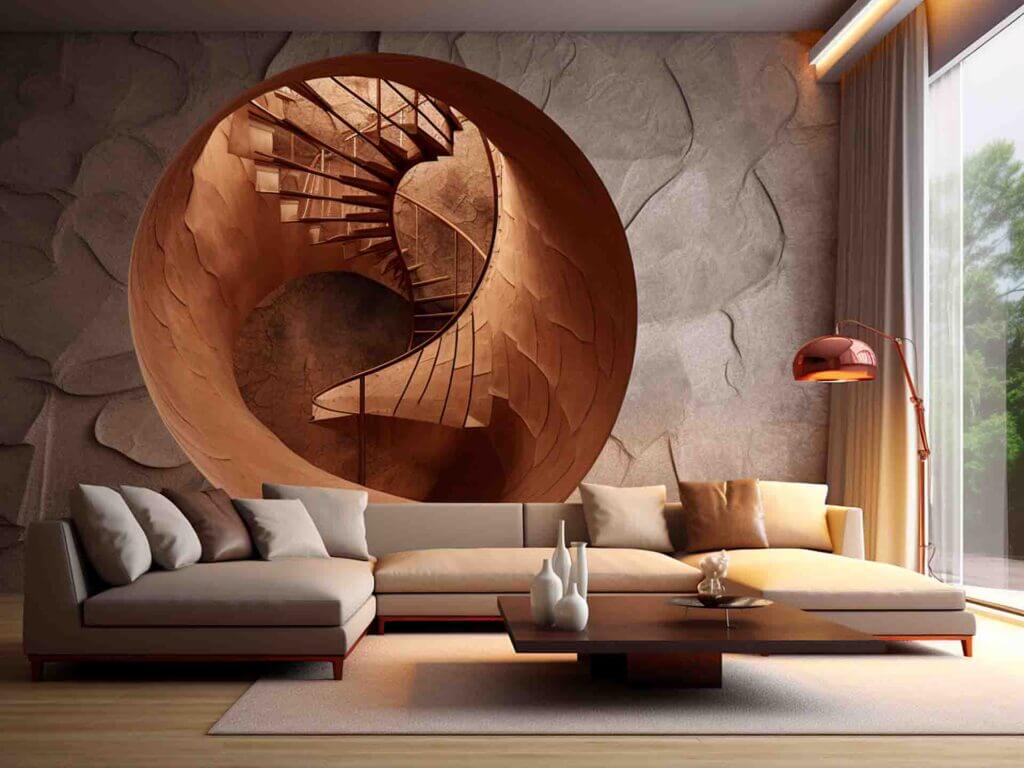
3D wallpaper creates dimensional effects using one of two approaches:
| Type | How It Works | Examples |
|---|---|---|
| Printed 3D Illusion | Depth is created through shading | nature scenes, abstract illusions |
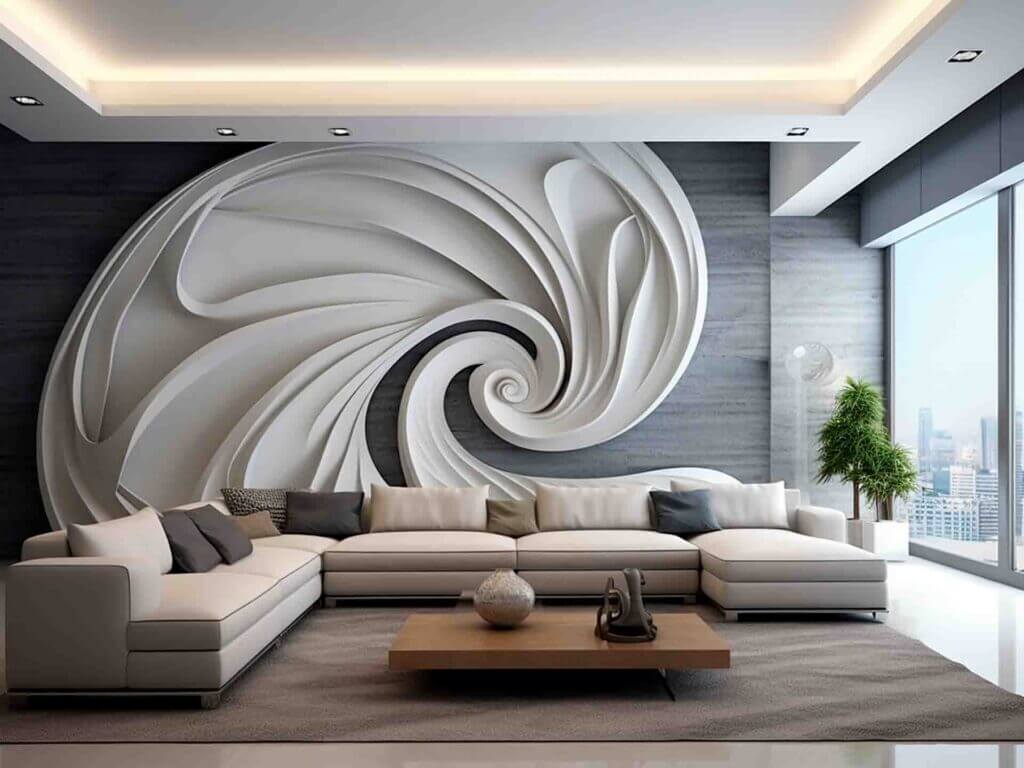
| Textured Relief | Raised surfaces form a tactile pattern | geometric embossing, brick texture |
📌 The more dimensional the material, the more noticeable alignment errors become.
Because 3D textures are raised or visually aligned, their seams are more visible when handled incorrectly. Challenges include:
✔ precise pattern match
✔ trimming on uneven/raised surfaces
✔ correct wall leveling
✔ selecting adhesive for heavy materials
✔ panel sequencing for murals
✔ seam pressure control (to avoid flattening texture)
📌 Even small installation errors become exaggerated by shadows and depth.
Raised geometric or organic patterns that add tactile depth. Works well in modern interiors.
Used for loft-style, rustic, or industrial spaces. Heavier varieties require strong adhesives.
Printed depth that must be aligned perfectly or it becomes distorted. Used in murals and accent walls.
Simulates stone, wood, floral reliefs, or landscapes. Thick materials require careful trimming around corners and outlets.
Murals use multi-panel layouts to create a full-scene illusion. Proper layout planning ensures:
correct starting point
symmetrical composition
no visual breaks in the subject
clean finishing at the ceiling or baseboard
📌 Murals should be dry-fit before applying adhesive to avoid panel misalignment.
Vinyl 3D wallpaper provides durability and moisture resistance. Ideal for:
commercial interiors
hallways and lobbies
high-traffic homes
restaurants
offices
📌 Fabric-backed vinyl and Type II options may require commercial-grade primers.
Quick to install and removable, but:
highlights imperfections if walls aren’t perfectly smooth
edges can lift on textured surfaces
heavy textures may not adhere well without additional support
📌 Best for rentals or temporary spaces. For long-term results, traditional adhesive performs better.
✔ Living rooms — adds a dramatic focal wall
✔ Bedrooms — works well behind the headboard
✔ Dining rooms — upscale, textured feature wall
✔ Children’s rooms — immersive scenes and murals
✔ Commercial interiors — branding and visual impact
📌 Limit use to a feature wall to avoid overwhelming the space.
We work with trusted premium manufacturers:
These materials perform reliably across Colorado’s dry winters and strong sunlight. High-quality materials + skilled installation = flawless results.
Enjoy The Wall installs and advises on wallpaper throughout the state, with a focus on the Denver metro area:
Denver
Aurora
Lakewood
Centennial
Castle Rock
Boulder
Colorado Springs
Want to check if we serve your location? See our full Service Area.
Yes. Alignment and seam pressure directly affect the final texture and illusion.
Walls usually require smoothing and priming before applying 3D wallpaper.
Most require careful removal to avoid damaging paint or drywall.
If you are planning a 3D feature wall or mural in the Denver metro area, you may benefit from professional alignment and surface preparation.
👉 Explore our 3D & mural installation services
We professionally install 3D wallpapers and murals with precise alignment and clean finishing.
Find wallpaper, decorative plaster, brands, guides, FAQs and blog articles.