Not every surface calls for the same wallcovering. Vinyl and Type II
perform best in spaces that see moisture, heavy use, or frequent
cleaning — here’s where they hold up longest.

Industrial-grade vinyl and Type II coverings require precise handling, correct adhesives, and proper wall preparation. Our certified installers ensure:
Every wall is properly measured and pattern-matched before hanging, so wide-format seams stay tight and invisible — no gaps, no overlap, no visible lines.
Vinyl and Type II require specific primers and adhesives matched to the substrate. The wrong combination causes bubbling, peeling, or seam failure within months.
Bathrooms, kitchens, and laundry rooms demand moisture-resistant prep and vapor-safe adhesion, so the covering stays bonded even in daily steam and splashes.
Hallways, staircases, and commercial corridors need adhesive strength that resists lifting from constant contact, cleaning, and foot traffic over years, not months.
Outlets, baseboards, and corners are trimmed with precision for a factory-finished edge — no rough cuts, no visible gaps at transitions.
Correctly installed vinyl and Type II hold their color, texture, and bond for years under commercial-grade wear — a direct result of proper technique, not just material quality.
DIY or handyman installation often leads to peeling, cracking, and seam separation within months.
Not every surface calls for the same wallcovering. Vinyl and Type II
perform best in spaces that see moisture, heavy use, or frequent
cleaning — here’s where they hold up longest.
| Room/Area | Recommended Finish |
|---|---|
| Bathrooms & Laundry | Smooth Solid Vinyl, Type II |
| Kitchens | Type II, Fabric-Backed Vinyl |
| Hallways & Staircases | Type II, Wide Commercial Rolls |
| Hotel Rooms & Lobbies | Type II, Designer & Digital Prints |
| Offices & Conference Spaces | Fabric-Backed Vinyl, Designer Prints |
| Restaurants, Fitness & Retail | Type II, Wide Commercial Rolls |
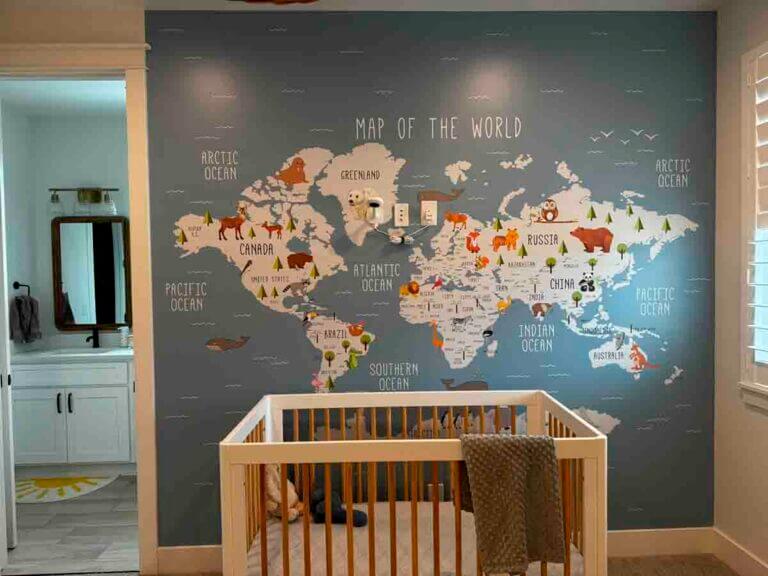
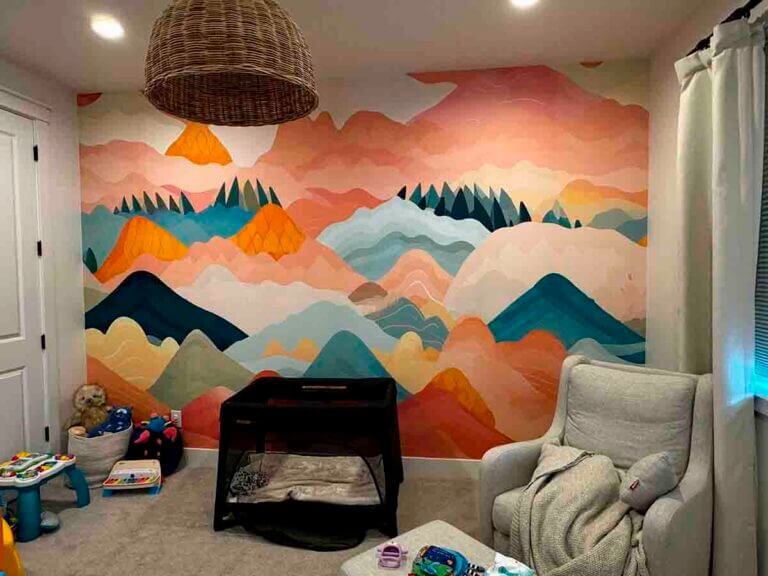
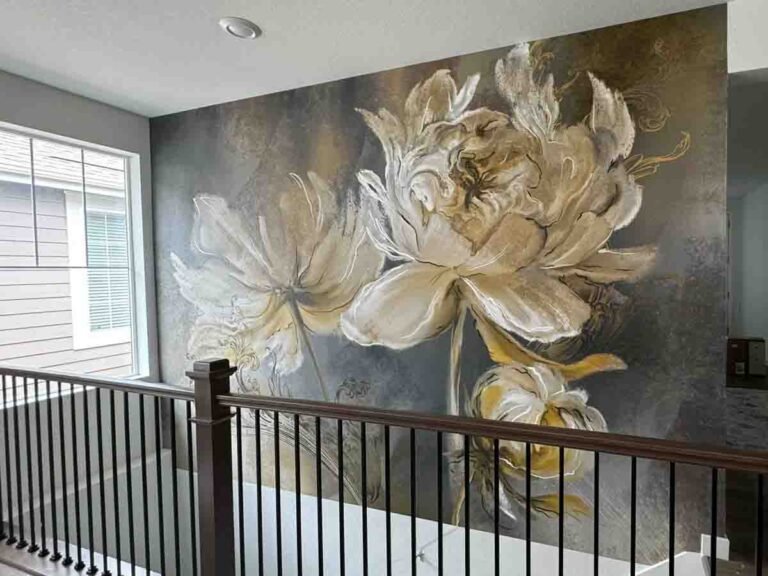
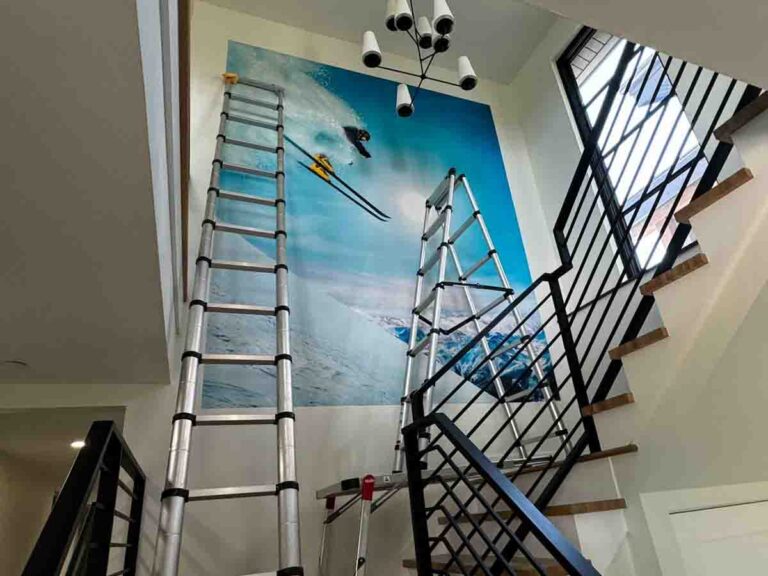
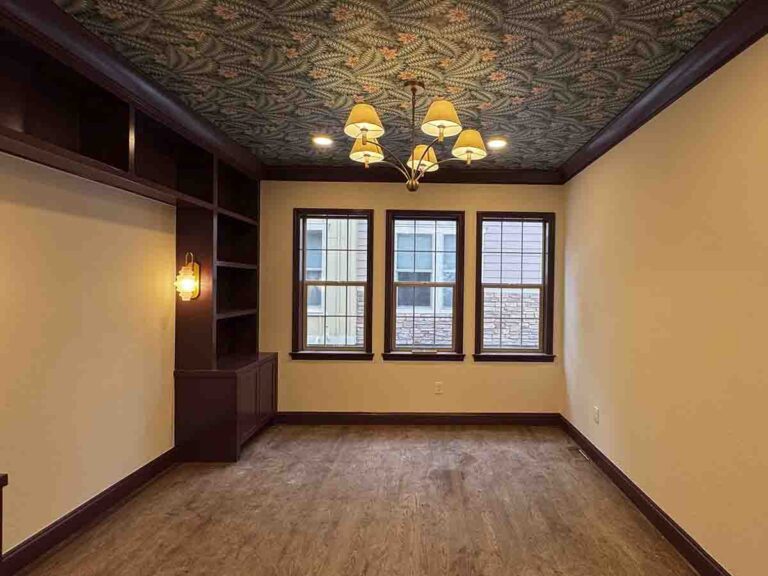
A look at recent commercial and residential vinyl installations completed
throughout the Denver metro area. From durable Type II coverings in
high-traffic hallways to fabric-backed vinyl in offices and hospitality
spaces, each project reflects careful surface prep, tight seams, and
finishes built to last.
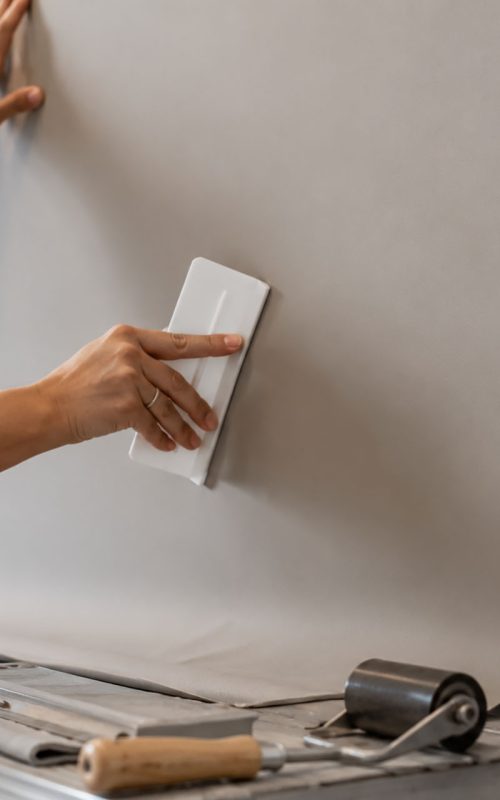
We inspect the surface for moisture, texture, and structural issues before any material is applied.
The right primer is chosen based on wall type and material, ensuring a secure, long-term bond.
Commercial-grade adhesive is applied evenly for full surface contact and lasting adhesion.
Wide-format rolls are carefully aligned and pattern-matched for seamless, invisible joints.
Every edge and fixture is trimmed cleanly for a polished, factory-finished look.
The finished wall is inspected and cleaned, confirming every seam and edge meets our standard.
Result: Zero bubble lift, zero seam failure, and perfectly tight edges.
From choosing your material to the final finish — we handle it all.
commercial-grade, scrub-resistant; suitable for hotels, offices, retail.
flexible, long lifespan; suitable for homes and high-end interiors.
washable, cost-effective; suitable for rentals, bathrooms, kitchens.
custom branding and luxury; suitable for feature walls and offices.
large seamless installs; suitable for corridors and hospitals.
Flexible monthly payment options available — check your rate.
At Enjoy The Wall, we work with the most reputable wallpaper brands:
Enjoy The Wall installs and advises on wallpaper throughout the state, with a focus on the Denver metro area:
Yes, and surface preparation is the deciding factor in how the finished wall performs. Type II is a heavier, wide-format commercial vinyl, and installing it over an uneven surface without proper prep is the leading cause of visible seams, bubbling, and premature peeling — issues that show up months after a rushed installation, not on day one.
Key factors that determine the right approach across the Denver metro area:
Texture type. Orange peel, knockdown, and light stucco-style texture each behave differently under vinyl, and each calls for a different level of prep before the material ever touches the wall.
Skim coating. Moderately or heavily textured walls typically need a skim coat to create a smooth, level substrate. Skipping this step is the single most common cause of seam failure in Type II installations.
Primer selection. Lightly textured walls may only need a heavy-duty vinyl-adhesion primer rather than a full skim coat — using the wrong primer, or skipping it, compromises bonding regardless of how textured the wall actually is.
Substrate condition. Older drywall, previously painted surfaces, and walls with prior wallpaper residue all affect how vinyl adheres, and are assessed before any material is ordered.
At Enjoy The Wall, we evaluate wall texture and substrate condition during the in-home estimate, not after the job has already started — so the prep method is matched to your specific walls, not applied as a one-size-fits-all step.
Contact us for a free consultation to find out exactly what your walls need before installation begins.
Yes, vinyl is one of the most reliable wallcovering choices for bathrooms, but not all vinyl — or all installations — perform equally well in a high-moisture environment. The material itself resists mildew and moisture far better than standard paper-backed wallpaper, but the adhesive, sealing, and seam placement matter just as much as the vinyl itself.
Key factors for a bathroom installation that lasts:
Material type. Smooth solid vinyl and Type II are both moisture-resistant by design, unlike standard wallpaper, which can absorb humidity and peel at the seams within a single season.
Adhesive choice. Vapor-safe adhesives designed for high-humidity environments are essential — standard adhesive can trap moisture behind the material and cause bubbling or mold over time.
Seam placement. Seams near tubs, showers, and vanities see the most direct moisture exposure and require extra attention during installation to stay sealed long-term.
Ventilation. Even moisture-resistant vinyl performs best with adequate airflow. Bathrooms with limited ventilation may need a specific material or placement recommendation to avoid long-term issues.
At Enjoy The Wall, we factor ventilation, moisture exposure, and seam placement into every bathroom project across the Denver metro area, so the finish holds up well beyond the first year.
Contact us for a free consultation to determine the right vinyl and installation approach for your bathroom.
Yes, and removal is often more involved than people expect. Type II vinyl in particular is designed to bond firmly and permanently, which means removing it without damaging the drywall underneath takes real technique — a rushed or DIY removal is one of the most common reasons a wall needs unexpected repair before new material can go up.
Key factors in a proper vinyl removal:
Bond strength. Older Type II and commercial-grade vinyl bonds more aggressively than standard wallpaper, requiring steam and controlled scraping rather than dry peeling.
Drywall condition. Walls that have had vinyl installed for years, especially in commercial spaces, can show paper tearing or surface damage once the material comes off — this needs to be addressed before new vinyl goes up.
Skim coating. Some removals leave the wall smooth and ready to go; others, particularly older commercial installs, need a skim coat afterward to restore a level surface.
Timeline impact. Removal adds time to a project, and the amount depends heavily on the age and type of the existing material — something we assess before quoting, not after starting.
At Enjoy The Wall, we inspect the existing vinyl and wall condition during your estimate, so there are no surprises once removal begins.
Contact us for a free consultation to find out what your removal and reinstallation will actually involve.
Yes, trade partnerships are a core part of how we operate, not an occasional add-on. Interior designers and general contractors often supply their own material and need an installer who can execute to a precise technical standard — that distinction matters more with premium and designer vinyl than with standard residential wallpaper.
Key factors in how we support trade projects:
Installation-only scope. When designers or contractors supply material, we handle installation exclusively, keeping trade work clearly separate from our direct homeowner services.
Technical standard. Our lead installer, Kris A., is a certified member of the Wallcovering Installers Association (WIA) and the Interior Design Society (IDS) — credentials that reflect the level of precision trade professionals expect when specifying high-end material.
Communication style. Trade projects run on different timelines and expectations than residential jobs, and we adjust scheduling, updates, and site coordination accordingly.
Material handling. Designer-specified and commercial-grade vinyl often has less margin for error during handling and installation — this is where installer experience directly affects the outcome of the finished wall.
At Enjoy The Wall, we work regularly with designers and contractors throughout the Denver metro area on both residential and commercial vinyl projects, adapting to how trade professionals actually work.
Contact us for a free consultation to discuss your next trade or commercial project.
The terms are often used interchangeably, but they refer to different weights and grades of the same material category, and the distinction affects both performance and cost. Understanding which one your project actually needs helps avoid paying for more durability than a space requires — or under-specifying material for a high-traffic area.
Key differences to know:
Weight and thickness. Standard vinyl wallcovering is lighter-weight and suited to residential walls with normal use, while Type II is a heavier, commercial-grade vinyl built for high-traffic and high-durability environments.
Durability rating. Type II is scrub-resistant and engineered to withstand repeated cleaning and contact, which is why it’s the standard specification for hotels, offices, and retail spaces rather than typical residential rooms.
Application. Vinyl works well in bedrooms, dining rooms, and lower-traffic residential spaces, while Type II is better suited to hallways, staircases, kitchens, and any commercial interior across the Denver metro area.
Installation approach. Type II’s heavier weight and wider rolls require more precise seam alignment and stronger adhesive systems, which is part of why it’s typically specified for professional rather than DIY installation.
At Enjoy The Wall, we help clients determine which grade actually fits their space and usage, rather than defaulting to the higher-cost option when standard vinyl would perform just as well.
Contact us for a free consultation to find out which material is right for your project.
Pricing depends on the material grade, wall condition, and room size, but most vinyl and Type II installation projects in the Denver metro area fall between $2–$8 per square foot, with a standard-sized room typically running $400–$900 for labor. Material and installation are always quoted as separate line items, since the wallcovering itself and the labor to install it correctly are priced independently.
Key factors that affect the final quote:
Wall condition. Textured walls that require skim coating add both material and labor time compared to a smooth, primed surface ready for installation.
Material grade. Standard vinyl, fabric-backed vinyl, and Type II commercial-grade rolls are priced differently, and Type II generally costs more due to its weight, durability, and installation complexity.
Room size and layout. Rooms with more corners, windows, doors, or built-ins require more cutting and seam work, which affects labor time regardless of square footage.
Removal needs. If old wallcovering needs to come down first, that’s quoted separately from new installation, since removal time varies significantly based on the existing material and wall condition.
At Enjoy The Wall, every quote is based on an in-home or on-site evaluation, so pricing reflects your actual walls and material choice rather than a generic estimate.
Contact us for a free consultation and an accurate quote for your space.
Ready to transform your home?
Contact us today for clean, precise, and professional wallpaper installation done right the first time.
Enjoy The Wall — Professional Wallpaper Installers in the Denver Metro Area
+1 (720) 825-7157
Proudly working with clients statewide.
If you’re searching for reliable wallpaper installation near you in the Denver metro area, our team is ready to help. We provide clean, precise, and professional wallpaper installation tailored to your space, material, and project requirements.
👉 Request a free estimate today or explore our installation guides and project insights to learn more before getting started.
Find wallpaper, decorative plaster, brands, guides, FAQs and blog articles.